
What is Shockwave Therapy?
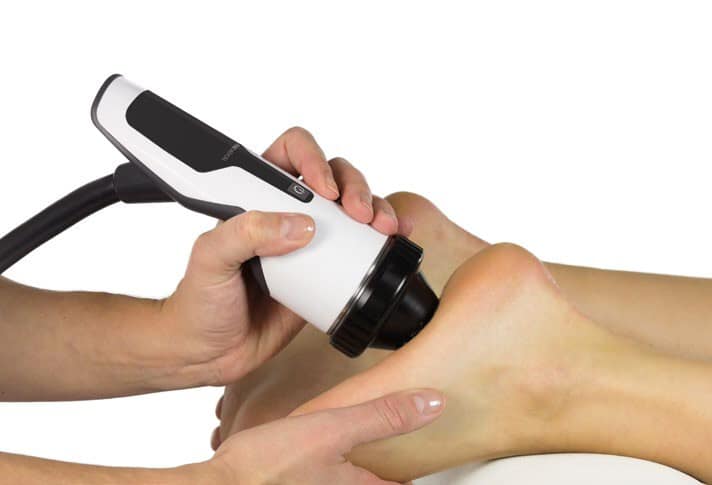
Shockwave therapy, also known as extracorporeal shockwave therapy (ESWT), treats a range of musculoskeletal conditions without the need for injections or surgery. Healthcare professionals often recommend it for long-standing tendon, ligament and soft tissue injuries that have not improved with other conservative treatments
Despite its name, shockwave therapy does not use electricity. It delivers controlled acoustic pressure waves into the affected tissues. These waves stimulate biological processes involved in tissue repair and healing.
Research has shown that shockwave therapy may encourage new blood vessel formation (angiogenesis), promote collagen remodelling and influence pain pathways. Rather than masking symptoms, the aim is to support the body’s natural healing response.
Shockwave therapy rarely works as a standalone treatment. I often combine it with rehabilitation exercises, footwear advice, orthotics therapy or laser therapy where clinically appropriate. The most suitable treatment plan depends on your diagnosis and individual needs.
For a quick visual introduction, this short patient explainer provides an overview of shockwave therapy and its use in treating musculoskeletal conditions.
Watch: What is Shockwave Therapy? Does it Really Work? Patient education video courtesy of Venn Healthcare.
How Does Shockwave Therapy Work?
Shockwave therapy creates a controlled mechanical stimulus within the affected tissues. This stimulus triggers a series of biological responses that encourage the body to repair and remodel damaged tissue.
Unlike pain-relieving medication, shockwave therapy does not simply mask symptoms. Instead, it aims to stimulate the natural healing processes that may have slowed or stalled over time. This makes it particularly useful for many chronic tendon and soft tissue conditions.
Researchers are still learning exactly how shockwave therapy produces its effects. Current evidence suggests that several biological processes occur at the same time.
It may stimulate new blood vessel formation
Healthy tissues rely on a good blood supply to deliver oxygen and nutrients. Chronic tendon injuries often have a poor blood supply, which can limit healing. Shockwave therapy may encourage the formation of new blood vessels, helping to improve circulation within the treated area.
It may encourage tissue remodelling
Tendons constantly adapt to the forces placed upon them. Injury or repetitive overload can disrupt this process, resulting in weaker or disorganised collagen fibres. Shockwave therapy may stimulate collagen production and support tendon remodelling as part of the healing process.
It may influence pain pathways
Pain is complex. It does not always reflect the amount of tissue damage present. Research suggests that shockwave therapy may influence the way pain signals are processed, helping to reduce sensitivity in some chronic conditions.
It may stimulate cellular activity
Shockwave therapy also creates a mechanical stimulus at a cellular level. Laboratory studies suggest this may activate cells involved in tissue repair and regeneration, supporting the body’s natural healing response.
Why Isn’t Every Injury Treated the Same?
No two injuries are exactly alike. Even when two people receive the same diagnosis, the underlying cause, the tissues involved and the stage of healing can differ considerably.
For example, plantar fasciitis and Achilles tendinopathy both affect soft tissues. However, they involve different anatomical structures and respond to different mechanical forces. Likewise, a tendon close to the skin requires a different treatment approach from one located much deeper within the body.
The age of an injury also plays an important role. Acute injuries often follow a different healing pathway to chronic conditions. In many long-standing cases, the tissue may struggle to repair itself efficiently, despite a period of rest or rehabilitation.
For this reason, selecting the most appropriate treatment is just as important as making the correct diagnosis. Factors such as tissue depth, the size of the affected area and the stage of healing all influence how treatment is planned.
Radial vs Focused Shockwave Therapy: What’s the Difference?
Not all shockwave therapy is the same. Different technologies deliver energy in different ways, making them suitable for different tissues and conditions.
Watch this patient explainer for a visual comparison of radial and focused shockwave therapy and how the two technologies differ.
What is the difference between radial & focused shockwave therapy?. Video courtesy of Venn Healthcare.
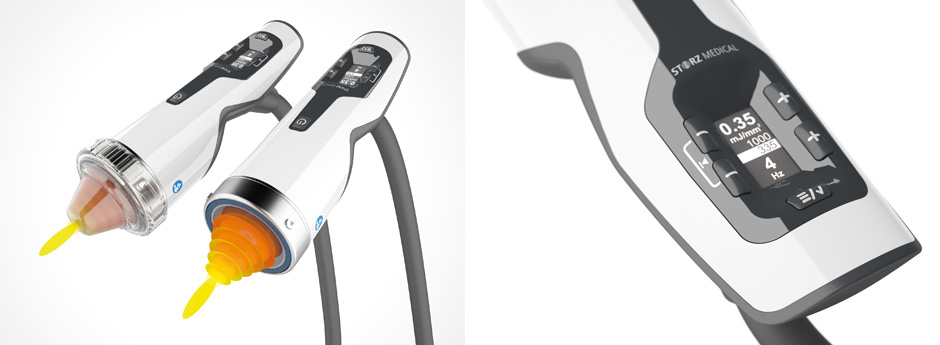
The two main types are radial shockwave therapy and focused shockwave therapy. Although both use acoustic pressure waves, they differ in how the energy is generated and delivered into the body.
Radial shockwave therapy
Radial shockwave delivers energy over a broader treatment area. The pressure waves spread out as they travel through the tissues, making this technology well suited to treating larger or more superficial structures.
At Quantum Footcare, I use the STORZ Medical MASTERPULS icon for radial shockwave therapy. This approach can be suitable for conditions such as plantar fasciitis, Achilles tendinopathy and muscle tightness. I may also use radial shockwave to prepare the surrounding tissues before treating a more specific area.
Focused shockwave therapy
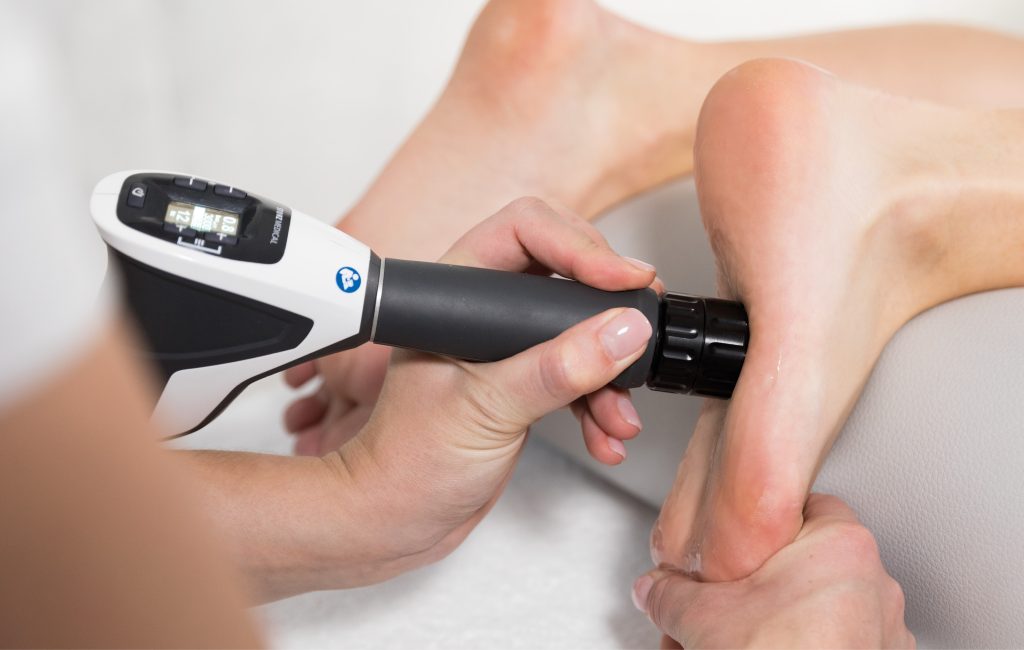
Focused shockwave concentrates energy at a specific depth within the tissues. This allows treatment to target smaller structures with greater precision, while minimising the effect on the surrounding tissues.
At Quantum Footcare, I use the STORZ Medical DUOLITH SD1 T-TOP Focus for focused shockwave therapy. This technology allows me to target specific areas at a selected treatment depth. I may use focused shockwave for deeper tendons, more localised areas of tissue and certain conditions where greater precision is required.
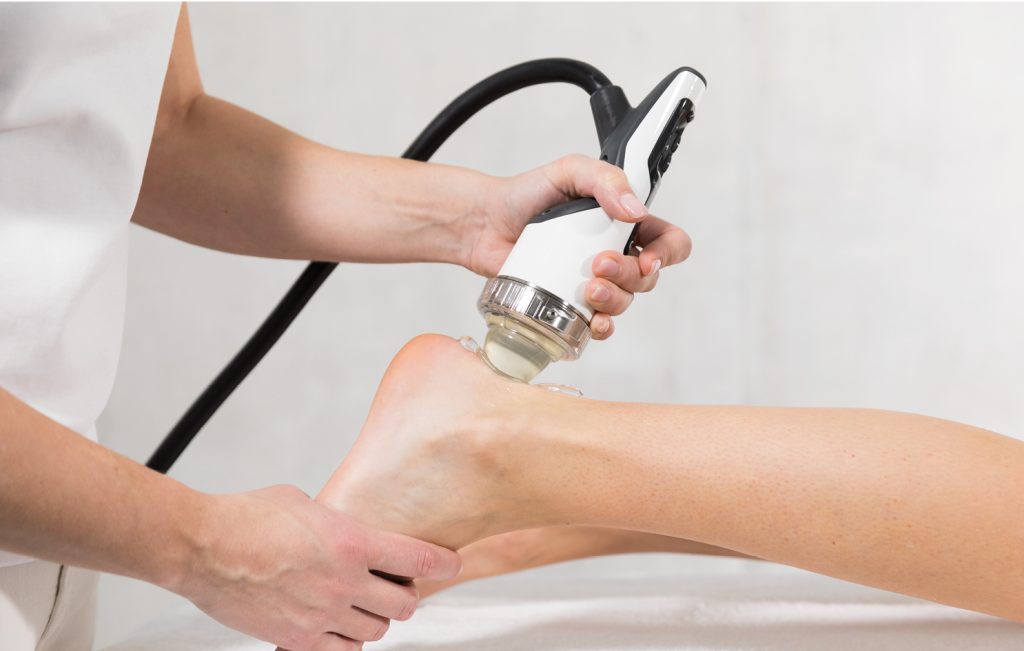
This short video explains how focused shockwave delivers energy to a targeted area and how it differs from broader radial treatment.
Focused Shockwave Therapy – What is it & How Can it Help?. Video courtesy of Venn Healthcare.
Why does this matter?
Choosing the right type of shockwave is just as important as choosing the treatment itself.
Some conditions respond well to radial shockwave alone. Others may benefit from focused shockwave because the affected tissues lie deeper beneath the skin or require more precise targeting.
In some cases, combining both technologies may provide a more comprehensive treatment approach. For example, radial shockwave can treat the surrounding muscles and soft tissues, while focused shockwave targets the primary site of injury.
Understanding the differences between radial and focused shockwave therapy helps explain why a thorough assessment is essential before treatment begins. The next step is identifying which conditions may benefit from shockwave therapy and whether it is the right option for your individual needs.
Which Conditions Can Shockwave Therapy Treat?
Shockwave therapy can support the management of several musculoskeletal conditions. It has been widely studied in chronic tendinopathies and other persistent soft tissue problems.
However, having pain in a particular area does not automatically mean this treatment is appropriate. An assessment can help identify the structures involved and determine the most suitable approach.
Plantar Fasciitis and Persistent Heel Pain
Plantar fasciitis is one of the most common conditions treated using this approach. It causes pain around the heel and plantar fascia, particularly after periods of rest or increased activity.
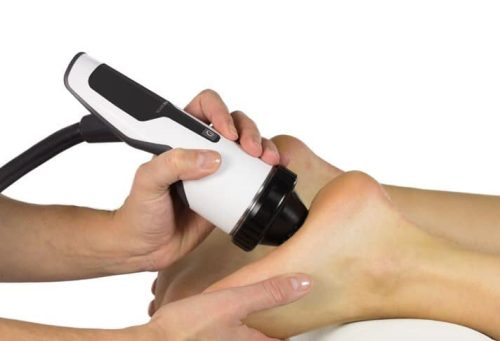
Research supports the use of ESWT for plantar fasciitis, with systematic reviews reporting improvements in pain and function.
Treatment may help stimulate tissue repair and influence pain sensitivity within the affected area. Depending on the clinical findings, treatment may involve radial shockwave, focused shockwave or a combination of both.
Achilles Tendinopathy
Achilles tendinopathy can cause pain, stiffness and reduced function at the back of the ankle. Symptoms may affect the middle portion of the tendon or its attachment to the heel bone.
Shockwave therapy may support tendon remodelling and form part of a wider rehabilitation programme. Exercise and load management remain important parts of treatment.
You can learn more about the condition, its causes and treatment options in my guide, How to Overcome Achilles Tendinopathy Pain.
Tibialis Posterior Tendinopathy
The tibialis posterior tendon plays an important role in supporting the arch and controlling foot movement. Problems with this tendon can cause pain and swelling along the inside of the foot and ankle.
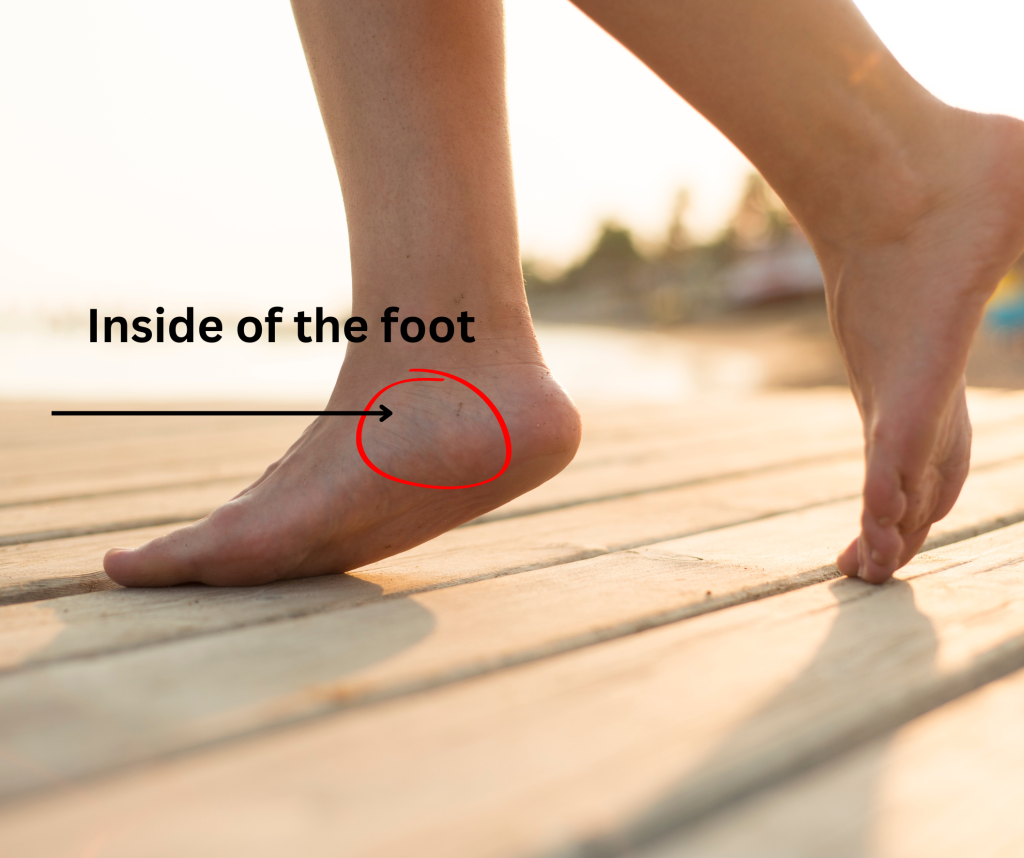
Treatment may support the management of chronic tibialis posterior tendinopathy. However, treatment should also address factors such as footwear, foot mechanics and tendon loading.
Patellar Tendinopathy
Patellar tendinopathy affects the tendon connecting the kneecap to the shin bone. It commonly develops in people involved in running and jumping activities.
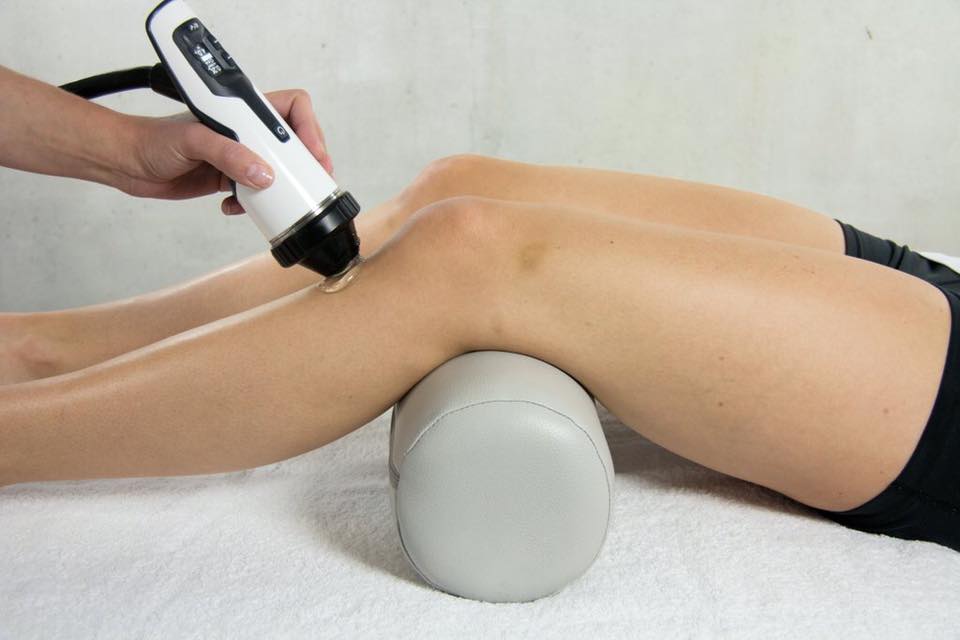
Shockwave may complement a structured rehabilitation programme when symptoms become persistent. Progressive strengthening remains particularly important for restoring the tendon’s ability to tolerate load.
Tennis Elbow
Despite its name, tennis elbow does not only affect tennis players. Repetitive gripping and loading can irritate the tendons around the outside of the elbow.
Shockwave may help manage persistent symptoms when conservative measures have not provided sufficient improvement.
Shoulder Tendinopathy
Certain shoulder tendon problems may also respond to shockwave therapy. This includes some cases involving calcific deposits within the rotator cuff tendons.
The shoulder is a complex joint. Therefore, an established diagnosis is important before considering shockwave.
Greater Trochanteric Pain Syndrome
Greater trochanteric pain syndrome causes pain around the outside of the hip. Gluteal tendon problems often contribute to the symptoms.
Shockwave may form part of treatment alongside progressive strengthening and appropriate load management.
Morton’s Neuroma
Morton’s neuroma affects one of the plantar digital nerves in the forefoot. It can cause burning, shooting or tingling pain, which often extends into the toes.
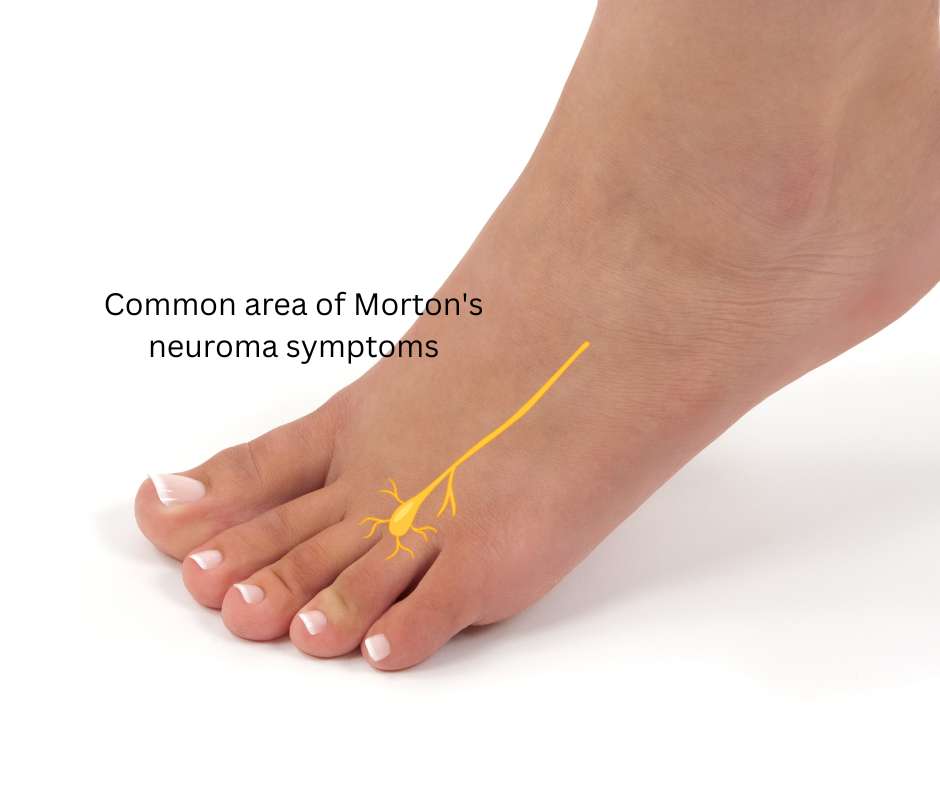
Research suggests that ESWT may help reduce pain and improve function in people with Morton’s neuroma. Randomised controlled trials have reported improvements following treatment, although the overall evidence base remains smaller than for conditions such as plantar fasciitis.
Treatment does not aim to remove the neuroma itself. Instead, the therapy may influence pain sensitivity and the surrounding tissues. Footwear, pressure distribution and other contributing factors should also form part of the treatment plan.
Osteoarthritis and Pain Around the Big Toe Joint
Osteoarthritis of the first metatarsophalangeal joint (big toe joint) can cause pain, stiffness and reduced movement of the big toe. Shockwave cannot reverse arthritis or restore damaged cartilage. However, it may sometimes form part of a wider treatment plan to help manage pain and the surrounding soft tissues.
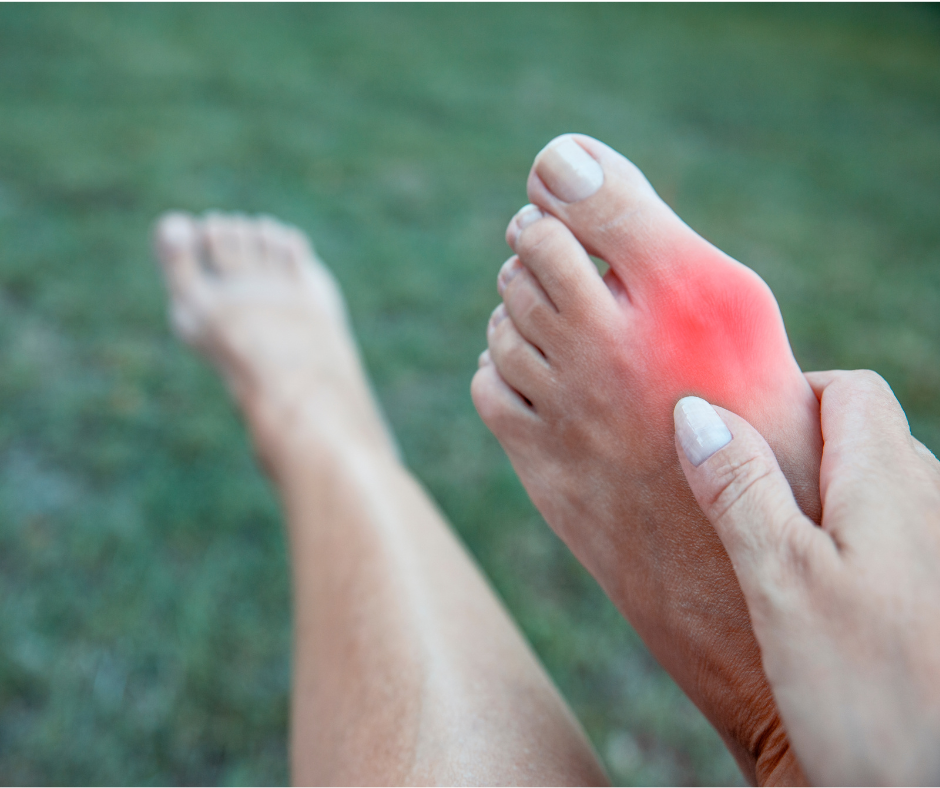
Treatment should also address the mechanical demands placed on the joint. Footwear changes, orthotics, activity modification and rehabilitation may therefore play an important role.
Similarly, the treatment does not correct a bunion or change the position of the big toe. However, it may be considered when pain involves irritated soft tissues around the joint.
Carpal Tunnel Syndrome
Research has also explored shockwave therapy for carpal tunnel syndrome. Studies suggest that it may help reduce symptoms and improve hand function in some patients, although the quality and consistency of the available evidence varies.
At Quantum Footcare, I only consider shockwave therapy for carpal tunnel syndrome when a patient has already received an appropriate diagnosis. Treatment does not replace medical investigation where symptoms require further assessment.
What Happens During Shockwave Therapy?
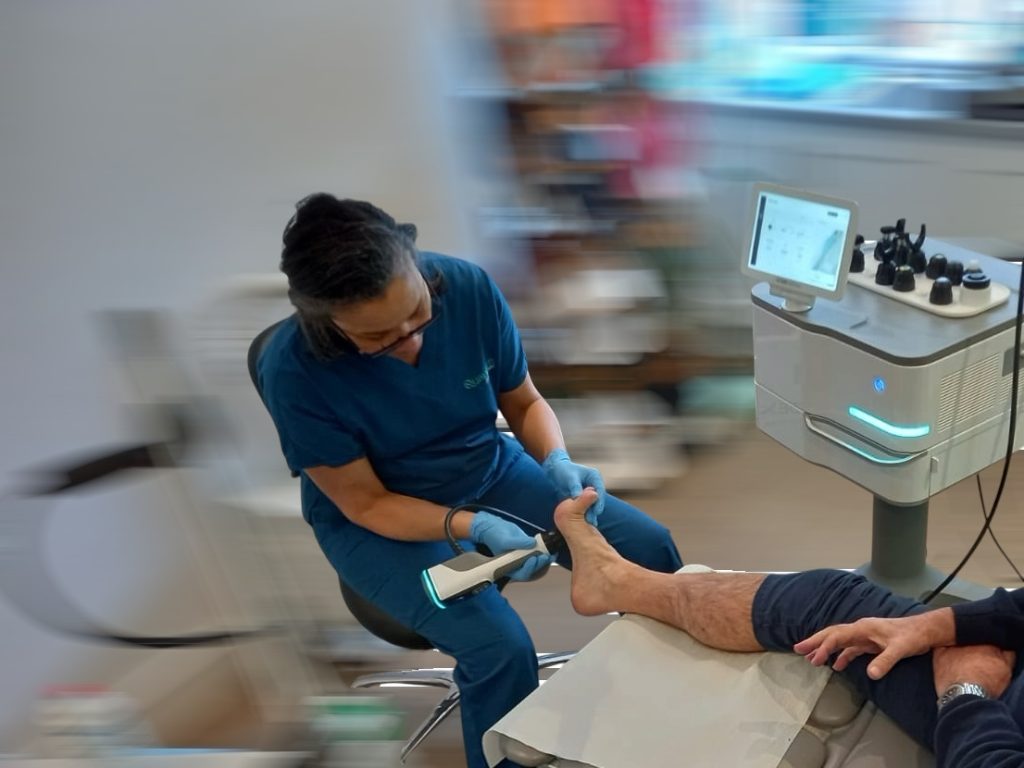
Shockwave therapy starts with an assessment of your symptoms and the affected area. I will consider your diagnosis, medical history and clinical findings before deciding whether treatment is appropriate.
If shockwave therapy is suitable, I will identify the tissues that require treatment. I will then select radial shockwave, focused shockwave or a combination of both.
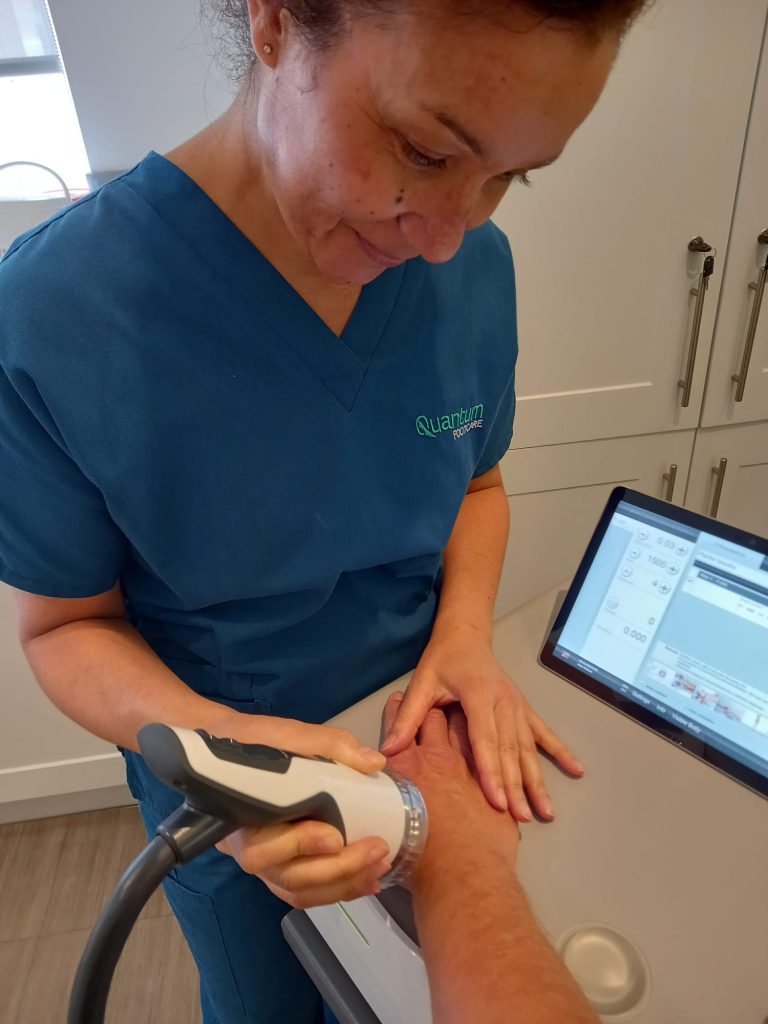
During treatment, I gradually adjust the intensity according to your comfort and the area being treated. Some areas can feel more sensitive than others. Therefore, I regularly check how the treatment feels and adjust the settings when necessary.
A typical session takes around 10- 20 mins, although this can vary depending on the condition and whether I treat more than one area.
Treatment does not end when the shockwave session finishes. Depending on your diagnosis, I may recommend rehabilitation exercises, changes to your activity or footwear advice. I may also consider orthotics therapy or MLS laser therapy where clinically appropriate.
Does Shockwave Therapy Hurt?
Shockwave therapy can feel uncomfortable, particularly when treating a sensitive or painful area. However, treatment should remain tolerable.
I usually adjust the intensity gradually rather than starting at a high setting. Your feedback during the session helps me select an appropriate treatment level.
You may notice tapping, pressure or a deeper aching sensation during treatment. Focused and radial shockwave can also feel quite different because they deliver energy into the tissues in different ways.
Sensitivity during treatment does not mean that a higher level of pain will produce a better result. The aim is to deliver an appropriate therapeutic dose while keeping treatment manageable.
How Many Shockwave Sessions Will I Need?
Most shockwave treatment programmes involve a course of approximately 3–6 sessions. Sessions often take place around one week apart, although the treatment schedule can vary depending on the condition and the type of shockwave therapy used.
Some patients notice an improvement after the first few sessions. However, this does not happen for everyone. The biological effects of shockwave therapy continue after treatment, so improvement may develop gradually over the following weeks.
Chronic tendon and soft tissue conditions can also take longer to respond. For this reason, I assess progress throughout the treatment programme rather than expecting every patient to improve within a fixed number of sessions.
In some cases, further treatment may be appropriate. This depends on the diagnosis, response to shockwave therapy and overall rehabilitation plan.
What Can I Expect After Shockwave Therapy?
Most patients can continue with their normal daily activities after shockwave therapy. However, the treated area may feel tender, achy or slightly sensitive for a short period afterwards.
Some people notice an early improvement in their symptoms. Others experience little change initially or may notice temporary soreness. This does not necessarily indicate how well the treatment will work in the longer term.
Can I Exercise After Shockwave Therapy?
Staying active is often an important part of recovery. However, I may recommend modifying certain activities following treatment, particularly if they place significant load on the affected tissues.
Rehabilitation exercises can continue alongside shockwave therapy when appropriate. The type and intensity of exercise will depend on the condition being treated and your stage of recovery.
Should I Use Ice or Anti-inflammatory Medication?
Shockwave therapy aims to stimulate biological processes involved in tissue repair. For this reason, the use of anti-inflammatory medication around treatment is sometimes discouraged.
However, advice should take into account your medical history and any medication prescribed for another health condition. You should never stop prescribed medication without discussing this with the healthcare professional responsible for your care.
I will provide individual aftercare advice based on your condition and treatment plan.
Is Shockwave Therapy Safe?
Shockwave therapy has a good safety profile when delivered appropriately. It is non-invasive and does not require injections, anaesthetic or surgery.
Most side effects are mild and temporary. You may experience some tenderness, redness or swelling around the treated area. Occasionally, minor bruising can also occur. These effects usually settle within a short period.
Who Should Not Have Shockwave Therapy?
Shockwave therapy is not suitable for everyone. Certain medical conditions, medications and circumstances may affect whether treatment can safely go ahead.
Treatment may not be appropriate over areas with an active infection, certain tumours, significant problems with blood clotting or some recent injuries. Pregnancy can also restrict treatment in certain areas.
Taking anticoagulant medication does not always mean that shockwave therapy is unsuitable. However, it requires careful consideration because of the increased risk of bruising or bleeding.
Before starting treatment, I review your medical history, current medication and the area requiring treatment. If there are concerns about whether shockwave therapy is appropriate, I may recommend further medical advice before proceeding.
What Are the Benefits of Shockwave Therapy?
One of the main advantages of shockwave therapy is its ability to target injured tissues without injections or surgery. It can also complement rehabilitation when persistent symptoms have not responded as expected to conservative treatment.
Non-invasive treatment
Shockwave therapy delivers acoustic energy through the skin without needles or incisions. Most patients can return to their usual daily activities shortly after treatment.
Supports the body’s healing response
Rather than simply masking symptoms, shockwave therapy aims to stimulate biological processes involved in tissue repair. These include changes in cellular activity, blood vessel formation and collagen remodelling.
May help with persistent conditions
Some tendon and soft tissue conditions can remain painful despite rest, exercise or other conservative treatments. Shockwave therapy provides another treatment option when recovery has slowed or symptoms have become persistent.
Treatment can target different tissue depths
Radial and focused shockwave technologies allow different areas and tissue depths to be treated. Radial shockwave covers a broader area, while focused shockwave can concentrate energy at a specific depth.
Having access to both technologies allows me to select the approach that best suits the tissues involved and the condition being treated.
Works alongside rehabilitation
Shockwave therapy does not have to replace exercise or rehabilitation. Instead, it can form part of a wider treatment plan designed to address the condition and factors contributing to it.
No medication required
Shockwave therapy does not rely on medication to produce its therapeutic effect. This may make it a useful option for some patients who want to explore non-pharmacological approaches to managing a persistent musculoskeletal condition.
How Successful Is Shockwave Therapy?
Research supports the use of shockwave therapy for several musculoskeletal conditions. However, treatment outcomes vary depending on the diagnosis, how long the condition has been present and other individual factors.
The strongest evidence exists for conditions such as plantar fasciitis and certain chronic tendinopathies. Research into other applications continues to develop as shockwave technology becomes more widely used.
Not everyone responds to treatment in the same way. Some patients experience a noticeable reduction in symptoms, while others notice more gradual changes. A small proportion may experience little or no benefit.
The outcome also depends on more than shockwave therapy alone. Activity levels, rehabilitation, tissue health and the mechanical factors contributing to the condition can all influence recovery.
For this reason, I consider shockwave therapy as part of an overall treatment plan rather than a guaranteed solution to pain.
Shockwave Therapy at Quantum Footcare
At Quantum Footcare, I offer both radial and focused shockwave therapy. Having access to both technologies allows me to select the most appropriate approach for the condition and tissues involved.

I have completed specialist training in the use of STORZ Medical shockwave systems and am recognised by Venn Healthcare as a Certified Shockwave Professional.
Quantum Footcare is also listed on the Venn Healthcare Clinic Finder.
Treatment begins with an assessment rather than shockwave therapy alone. I consider your symptoms, clinical findings and any factors that may be contributing to the problem before recommending a treatment plan.
Where appropriate, I may combine shockwave therapy with rehabilitation exercises, footwear advice, orthotics or MLS laser therapy. This allows treatment to address more than the painful area itself.
Not every condition requires the same approach. Some respond well to radial shockwave, while others may benefit from the precision and depth offered by focused shockwave. In some cases, I use both technologies during the same treatment programme.
My aim is to provide a treatment plan based on your individual clinical needs rather than applying the same shockwave protocol to every patient.
Frequently Asked Questions About Shockwave Therapy
How quickly does shockwave therapy work?
Response times vary. Some patients notice changes during the first few sessions, while others improve more gradually. The biological response to shockwave therapy can continue for several weeks after treatment has finished.
Can shockwave therapy make my pain worse?
Temporary soreness or increased sensitivity can occur after treatment. This usually settles within a short period. If you experience an unexpected or significant increase in symptoms following treatment at Quantum Footcare, please contact me so I can advise you on the next steps.
Can I drive after shockwave therapy?
In most cases, you can drive after treatment. However, this may depend on the area treated and how you feel immediately afterwards.
Can I go to work after treatment?
Most patients can return to work and normal daily activities. If your work involves significant physical activity or places additional stress on the injured area, some temporary activity modification may be advisable.
Can I exercise during a course of shockwave therapy?
In many cases, yes. Exercise and progressive rehabilitation often form an important part of the treatment plan. However, the type and intensity of exercise should reflect your condition and stage of recovery.
Does shockwave therapy break down calcium deposits?
This is a common misconception. Shockwave therapy does not simply smash calcium into smaller pieces. Research suggests that acoustic energy can trigger biological changes that may encourage the body to gradually break down and absorb calcific deposits in certain conditions, particularly calcific tendinopathy of the shoulder.
Can I have shockwave therapy after a steroid injection?
Previous steroid injections do not necessarily prevent you from having shockwave therapy. However, I would not normally recommend treatment immediately after an injection. As a precaution, a waiting period may be required before starting shockwave therapy, depending on the injection site and condition being treated.
If you have received a steroid injection recently, please let me know during your assessment so I can determine when it is appropriate to begin treatment.
Is shockwave therapy suitable for a recent injury?
Not always. Shockwave therapy has a particularly established role in persistent and chronic musculoskeletal conditions. Acute injuries require an appropriate diagnosis and may need a different approach during the early stages of healing.
Is shockwave therapy the same as ultrasound therapy?
No. Although both treatments use sound-based technology, they work differently. Therapeutic ultrasound uses high-frequency sound waves, while shockwave therapy delivers acoustic pressure waves that create a mechanical stimulus within the tissues.
Will shockwave therapy cure my condition?
No treatment can guarantee a cure. Shockwave therapy can support recovery in appropriately selected conditions, but outcomes vary between individuals. Diagnosis, rehabilitation, activity levels and other contributing factors can all influence the overall result.
Is Shockwave Therapy Right for You?
Shockwave therapy can provide a valuable treatment option for a range of persistent musculoskeletal conditions. However, the right treatment depends on an accurate diagnosis and a clear understanding of the tissues involved.
At Quantum Footcare, I use both radial and focused shockwave therapy. This allows me to tailor treatment according to the condition, treatment area and individual clinical findings.
Shockwave therapy may form part of a wider treatment plan alongside rehabilitation, footwear changes, orthotics therapy or MLS laser therapy where appropriate. The aim is not simply to treat the painful area, but to consider the factors that may be contributing to the problem.
If you are considering shockwave therapy, an initial assessment can help determine whether it is suitable for your condition and what treatment approach may be most appropriate.
Selected Research & Further Reading
Shockwave therapy has been investigated across a wide range of musculoskeletal conditions. The publications below provide selected examples of the research evaluating its mechanisms, clinical applications and treatment outcomes.
Tendinopathies
Elgendy MH, Khalil SE, ElMeligie MM & Elazab DR (2024). Effectiveness of Extracorporeal Shockwave Therapy in Treatment of Upper and Lower Limb Tendinopathies: A Systematic Review and Meta-analysis. Physiotherapy Research International, 29(1), e2042.
Plantar Fasciitis
Dizon JNC, Gonzalez-Suarez C, Zamora MTG & Gambito adv (2013). Effectiveness of Extracorporeal Shock Wave Therapy in Chronic Plantar Fasciitis: A Meta-analysis. American Journal of Physical Medicine & Rehabilitation, 92(7), 606–620.
Gollwitzer H, Saxena A, DiDomenico LA, et al. (2015). Clinically Relevant Effectiveness of Focused Extracorporeal Shock Wave Therapy in the Treatment of Chronic Plantar Fasciitis: A randomised, Controlled Multicenter Study. Journal of Bone and Joint Surgery, 97(9), 701–708.
Achilles Tendinopathy
Rompe JD, Furia J & Maffulli N (2009). Eccentric Loading Versus Eccentric Loading Plus Shock-Wave Treatment for Midportion Achilles Tendinopathy: A randomised Controlled Trial. American Journal of Sports Medicine, 37(3), 463–470.
Patellar Tendinopathy
Furia JP, Rompe JD, Cacchio A, Del Buono A & Maffulli N (2013). A Single Application of Low-Energy Radial Extracorporeal Shock Wave Therapy is Effective for the Management of Chronic Patellar Tendinopathy. Knee Surgery, Sports Traumatology, Arthroscopy, 21(2), 346–350.
Greater Trochanteric Pain Syndrome
Ramon S, Russo S, Santoboni F, et al. (2020). Focused Shockwave Treatment for Greater Trochanteric Pain Syndrome: A Multicenter, randomised, Controlled Clinical Trial. Journal of Bone and Joint Surgery, 102(15), 1305–1311.
Morton’s Neuroma
Fridman R, Cain JD & Weil L Jr (2009). Extracorporeal Shockwave Therapy for Interdigital Neuroma: A randomised, Placebo-Controlled, Double-Blind Trial. Journal of the American Podiatric Medical Association, 99(3), 191–193.
Carpal Tunnel Syndrome
Kim JC, Jung SH, Lee SU & Lee SY (2019). Effect of Extracorporeal Shockwave Therapy on Carpal Tunnel Syndrome: A Systematic Review and Meta-analysis of randomised Controlled Trials. Medicine, 98(33), e16870.
Stress Fractures
Leal C, D’Agostino C, Gomez Garcia S & Fernandez A (2015). Current Concepts of Shockwave Therapy in Stress Fractures. International Journal of Surgery, 24(Pt B), 195–200.