
Podiatry Care Services
I am devoted to assisting individuals of all ages in achieving healthier feet. I firmly believe that prevention is the cornerstone of good foot health: it is not just about treating existing foot problems, it is about identifying and addressing the root causes to stop issues from arising in the first place.
My approach to patient care is grounded in a strong belief that effective podiatry goes beyond treating symptoms. I take the time to thoroughly assess each patient’s unique needs, ensuring that treatment is not only effective but also tailored to support long-term foot health. By focusing on both prevention and treatment, I aim to provide a comprehensive service that helps you stay active and pain-free.

Your Foot Health Journey

Common Foot Conditions
Treated by Your Podiatrist
Corns and calluses
 Corns and calluses are areas of thickened and hardened skin caused by repeated friction, pressure or irritation.
Regular visits to your podiatrist can help prevent the build-up of corns and calluses or prevent potential complications where they are already present.
Athletes foot
 Also known as Tinea pedis, this is a common fungal infection that affects the skin, particularly in the areas between the toes. Common symptoms include itching, burning, cracking and scaling of the skin.
It is primarily caused by fungi, which develop through direct contact with an infected person or through contact with contaminated surfaces, such as locker rooms, swimming pool areas and communal showers. The fungus also thrives in warm and humid conditions, making it more prevalent among athletes, and those who wear shoes that are too tight for an extended period of time.
If left untreated, the infection can spread to the toenails causing a fungal nail infection. Regular podiatry care can help you effectively manage Athlete’s foot, prevent complications and reduce the likelihood of the infection recurring in the future.
Fungal Nail
A white, yellow or crumbly toenail is a common sign of a fungal nail infection. Early assessment can help confirm the diagnosis and ensure the most appropriate treatment is recommended. Fungal nail infections are commonly caused by dermatophytes, although other fungi and yeasts can also affect the nails. They often develop in warm, moist environments and may cause nail discolouration, thickening, brittleness, crumbling or separation of the nail from the nail bed.
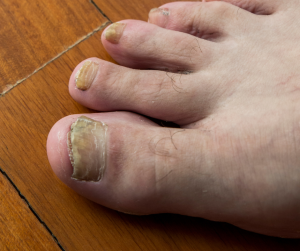
Athlete’s foot frequently occurs alongside fungal nail infections and, if left untreated, may spread to the toenails or other areas of the skin. Treating both conditions is often important to help reduce the risk of reinfection.
At Quantum Footcare, I can perform a fungal nail test to help confirm the diagnosis before treatment is recommended. Once the cause has been identified, I will discuss the most appropriate treatment plan based on the severity of the infection and your individual circumstances.
Treatment may include topical antifungal therapy, such as Tinexyl Pro, advice on reducing the risk of reinfection, regular podiatry care to reduce thickened or damaged nail where appropriate, and, in selected cases, MLS Laser Therapy as part of a structured treatment programme. Where clinically indicated, I may also recommend discussing oral antifungal medication with your GP.
Successful treatment of fungal nail infections often requires patience and a combination of approaches, as healthy nail growth can take many months. Ongoing monitoring and good foot hygiene are important to maximise the chances of a successful outcome.
To learn more about the available treatment options and how to reduce the risk of recurrence, please read my blog: How to Get Rid of a Nail Infection.
Ingrowing Toenail
 This is a common condition in which the corner or edge of a toenail grows into the surrounding soft flesh, causing difficulty walking, pain and often swelling and infection. It typically affects the big toe but can affect other toes too. It can be caused by various factors, including improper nail trimming, wearing tight shoes, hereditary factors or sustaining an injury to the toe.
In severe or recurrent cases, nail surgery may be required. If an ingrowing toenail becomes infected, it is often the case that it will not heal on its own and nail surgery will become necessary.
Verrucae
 A verruca is a wart specifically located on the sole of the foot. It is often accompanied by tiny black dots beneath the skin representing blood vessels.
 Verrucae can be quite painful, sometimes feeling akin to standing on needles. While they may persist for extended periods, they are not harmful but can nevertheless be bothersome.
Fortunately, treatment options are available that can be quick and effective. However, the efficacy of treatments can depend on the patient’s response to treatment. In some cases, you may need more than one treatment.
Plantar Fasciitis
Plantar fasciitis is one of the most common causes of pain beneath the heel.

Plantar fasciitis develops when the plantar fascia, the strong band of tissue running from the heel to the toes, becomes overloaded. Patients often experience sharp pain under the heel during their first few steps in the morning or after periods of rest.
Following a comprehensive assessment, treatment is tailored to the underlying cause and may include:
- Shockwave Therapy (one of the most effective evidence-based treatments for persistent plantar fasciitis)
- Biomechanical assessment and gait analysis
- Custom or prefabricated orthotics where appropriate
- Footwear assessment and advice
- Stretching and strengthening rehabilitation programme
- Activity modification and load management
- MLS® Laser Therapy to help reduce pain and inflammation in selected cases
Many patients begin to notice improvement within the first few sessions when the correct diagnosis and treatment plan are in place.
If heel pain has been affecting your walking, exercise or work, early assessment can often shorten recovery and help prevent long-term symptoms.
Foot and Ankle Injuries

Foot and ankle injuries can occur during everyday activities, work, exercise or sporting activities. They may develop suddenly following a twist, fall or impact, or gradually through repetitive strain and overuse. These injuries can affect the bones, joints, muscles, ligaments, tendons and other soft tissues, resulting in pain, swelling, bruising, stiffness and reduced mobility.
Whether your injury is recent or has failed to improve as expected, obtaining an accurate diagnosis is essential to determine the most appropriate treatment. During your assessment, I will discuss your symptoms, examine the affected area and, where clinically indicated, advise whether further investigations, such as ultrasound or MRI imaging, may be beneficial.
Treatment is tailored to your diagnosis, symptoms and stage of recovery. Depending on the nature of your injury, this may include activity modification, a personalised rehabilitation programme, footwear advice, orthotic therapy where appropriate, or temporary immobilisation to allow the injured tissues to heal.
For suitable conditions, Radial and Focused Shockwave Therapy and MLS® Laser Therapy may be recommended as part of your rehabilitation programme. These evidence-based treatments can help stimulate the body’s natural healing response, reduce pain, encourage tissue repair and support your return to normal daily activities, work and sport.
Where specialist assessment or further investigations are required, I will discuss the most appropriate referral pathway to help ensure you receive the best possible care.
Foot and Heel Pain
Foot and heel pain are among the most common reasons patients seek podiatry treatment. While the symptoms may seem similar, the underlying causes can vary considerably. An accurate diagnosis is essential to ensure the most appropriate treatment is recommended.
Foot and heel pain can arise from a wide range of conditions, including plantar fasciitis, heel fat pad syndrome, Achilles tendinopathy, tibialis posterior tendinopathy, peroneal tendinopathy, plantar plate injuries, stress fractures, nerve entrapments such as Morton’s neuroma, arthritis and biomechanical abnormalities.
At Quantum Footcare, every patient undergoes a thorough assessment to identify the underlying cause of their symptoms. Following your diagnosis, I will discuss the most appropriate treatment plan, which may include footwear advice, rehabilitation exercises, orthotic therapy, Radial and Focused Shockwave Therapy, MLS Laser Therapy, or a combination of these approaches depending on your condition and stage of recovery.
Where clinically indicated, I will also advise whether further investigations, such as imaging, or referral for specialist assessment may be beneficial.
If you are experiencing persistent foot or heel pain, early assessment can often help prevent symptoms from progressing and support a quicker return to your normal daily activities.

Bunions (hallux Valgus)
A bunion, also known as hallux valgus, is a progressive deformity affecting the big toe joint. Over time, the big toe gradually deviates towards the second toe, resulting in a prominent bony swelling on the inside of the foot. This change in alignment can lead to pain, inflammation, difficulty finding comfortable footwear and altered foot function.
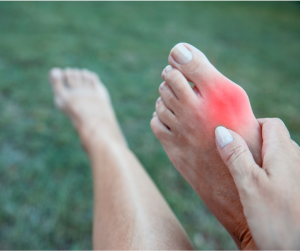
Although the bunion itself is a change in the shape of the joint, the pain is often caused by inflammation of the surrounding soft tissues, irritation from footwear, or arthritis within the big toe joint rather than the bony prominence alone.
The earlier you seek assessment and treatment, the greater the opportunity to manage your symptoms, reduce discomfort and maintain healthy foot function.
At Quantum Footcare, treatment is tailored to your individual needs and the severity of your symptoms. Conservative management may include footwear advice to reduce pressure on the affected joint, padding, orthotic therapy where appropriate, activity modification and exercises to help improve foot function.
For patients experiencing a painful bunion, Radial and Focused Shockwave Therapy and MLS Laser Therapy may also be recommended. Although these treatments do not correct the bunion deformity itself, they can help reduce pain, improve local circulation and support the body’s natural healing response by addressing inflammation and irritation within the surrounding soft tissues. Depending on your symptoms and clinical findings, treatment may involve radial shockwave, focused shockwave, MLS laser therapy or a combination of these therapies as part of a comprehensive treatment plan.
Where symptoms remain severe despite conservative treatment or the deformity continues to progress significantly, surgical correction may be considered. If appropriate, I can advise whether referral for an orthopaedic opinion would be beneficial.
Achilles Tendinopathy
Achilles tendinopathy is a common condition affecting the large tendon at the back of the ankle. It often develops gradually due to repetitive strain and overuse, causing pain, stiffness and swelling, particularly during walking, running or after periods of rest. If left untreated, symptoms may become persistent and begin to interfere with everyday activities.

At Quantum Footcare, a thorough assessment is carried out to identify the underlying cause of your symptoms and any contributing biomechanical factors. Treatment may include a structured rehabilitation programme, footwear advice, biomechanical assessment, orthotic therapy where appropriate, and Radial or Focused Shockwave Therapy. MLS® Laser Therapy may also be recommended in selected cases to help reduce pain and support the healing process.
Tibialis Posterior Tendinopathy
Tibialis posterior tendinopathy affects one of the most important tendons supporting the arch of the foot. It commonly causes pain along the inside of the ankle and foot and may lead to progressive flattening of the arch if left untreated. Symptoms often worsen with prolonged standing, walking or sporting activities.
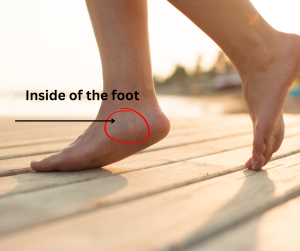
Early diagnosis is important to help prevent further tendon deterioration. Following assessment, treatment may include strengthening exercises, footwear advice, orthotic therapy, gait analysis, activity modification and, where appropriate, Radial or Focused Shockwave Therapy. MLS® Laser Therapy may also be incorporated into your treatment plan depending on your individual presentation.
Peroneal Tendinopathy
Peroneal tendinopathy affects the tendons running along the outside of the ankle and is commonly associated with overuse, ankle instability or altered foot biomechanics. Symptoms typically include pain on the outer aspect of the ankle, tenderness and discomfort during walking, running or uneven ground.
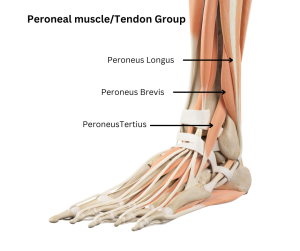
Treatment is tailored to the underlying cause and may include rehabilitation exercises, footwear advice, orthotic therapy, activity modification and shockwave therapy for persistent tendon pain. MLS® Laser Therapy may also be recommended to help support recovery where clinically appropriate.
Morton's Neuroma
Morton’s neuroma is a painful condition involving irritation of one of the nerves between the toes, most commonly between the third and fourth toes. It can cause burning pain, tingling, numbness or the sensation of standing on a small pebble, particularly when wearing tighter footwear or walking for prolonged periods.
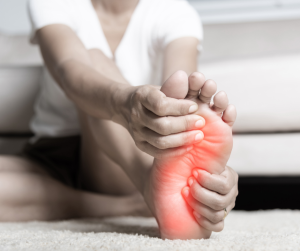
A comprehensive assessment helps determine whether your symptoms are consistent with Morton’s neuroma or another forefoot condition. Treatment may include footwear advice, orthotic therapy to reduce pressure on the affected nerve, activity modification and, in selected cases, Focused Shockwave Therapy as part of a conservative treatment programme. Where appropriate, referral for imaging or specialist care will be discussed.
Metatarsalgia
Metatarsalgia is a general term used to describe pain beneath the ball of the foot. It is often caused by excessive pressure on the forefoot and may be associated with altered foot mechanics, overuse, arthritis or toe deformities.
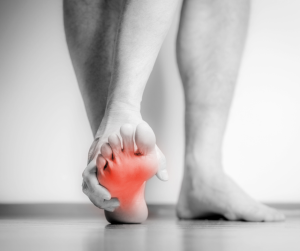
As metatarsalgia is a symptom rather than a diagnosis, identifying the underlying cause is essential. Treatment may include footwear advice, pressure-relieving padding, orthotic therapy, rehabilitation exercises and management of any contributing biomechanical factors. Where appropriate, Shockwave Therapy may also be considered depending on the underlying diagnosis.
Plantar Plate Injury
The plantar plate is a strong ligament beneath the lesser toes that helps stabilise the toe joints during walking. Injury to this structure can cause pain beneath the ball of the foot, swelling and, in some cases, gradual drifting or elevation of the affected toe.
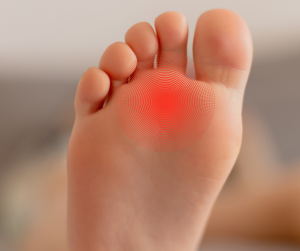
Early diagnosis is important to help prevent progression of the injury. Treatment may include activity modification, taping, footwear advice, orthotic therapy to reduce pressure beneath the affected joint, rehabilitation exercises and Shockwave Therapy where clinically appropriate.
Arthritis of the Foot & Ankle
Arthritis can affect any of the joints within the foot and ankle, resulting in pain, stiffness, swelling and reduced mobility. Symptoms often develop gradually and may make walking or standing for prolonged periods increasingly uncomfortable.
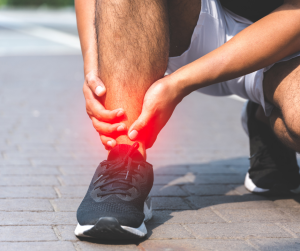
Treatment focuses on improving function, reducing pain and helping you remain active. Depending on your individual needs, this may include footwear advice, orthotic therapy, rehabilitation exercises, activity modification, MLS® Laser Therapy and Shockwave Therapy where appropriate for associated tendon disorders. Referral for further investigations or specialist opinion may also be recommended when necessary.
Flat Feet (Pes Planus)
Flat feet occur when the arches of the feet are lower than expected, altering the way forces are distributed during standing and walking. Whilst many people with flat feet have no symptoms, others may experience foot, ankle, knee or lower limb pain due to increased strain on the muscles, tendons and joints.

Following a comprehensive biomechanical assessment, treatment may include strengthening exercises, footwear advice, gait analysis and orthotic therapy where appropriate to improve foot function and reduce excessive loading.
Want to learn more? Read my article, “Flat Feet and Pain: When Should You See a Podiatrist?”, to understand when flat feet require treatment and the signs that it may be time to seek professional advice.
High Arches (Pes Cavus)
High-arched feet place increased pressure on the heel and ball of the foot and may reduce the foot’s natural ability to absorb impact during walking and running. This can contribute to pain, instability, recurrent ankle sprains and areas of excessive pressure.
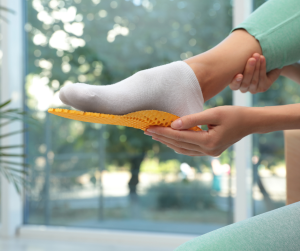
Treatment aims to improve comfort and reduce abnormal loading through footwear advice, pressure redistribution, biomechanical assessment, rehabilitation exercises and orthotic therapy where appropriate.
Stress Fractures
Stress fractures are part of a spectrum of bone stress injuries caused by repeated loading that exceeds the bone’s ability to recover and adapt. They are particularly common in runners and active individuals, especially following a sudden increase in training intensity, distance or frequency.
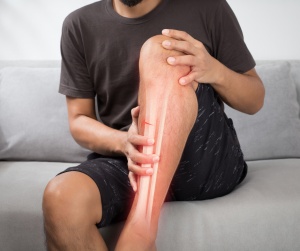
Pain typically develops gradually and becomes more noticeable during weight-bearing or exercise. As the injury progresses, discomfort may occur earlier during activity and can eventually persist during normal walking or at rest.
Early assessment is important, as continuing to load the affected area can allow a bone stress injury to progress. Where a stress fracture is suspected, I may recommend temporary activity modification or offloading and, where appropriate, referral for diagnostic imaging or further medical assessment.
Once sufficient healing has taken place, a gradual return to activity, rehabilitation, footwear advice and biomechanical assessment can help address contributing factors and reduce the risk of recurrence.
Treatments & Services
Initial consultation
Every new patient begins with an initial assessment tailored to the reason for their appointment. Whether you are attending for a nail or skin condition, a foot health concern or a musculoskeletal problem affecting the feet, ankles or lower limbs, your consultation will include a detailed discussion of your symptoms, relevant medical history and a thorough clinical examination.

The assessment carried out will depend on your presenting complaint. Patients attending with routine podiatry concerns may receive treatment during the same appointment where clinically appropriate, such as nail care, hard skin or corn removal. Patients attending with foot or ankle pain will undergo a focused musculoskeletal assessment to establish a diagnosis and discuss the most appropriate treatment plan, which may include shockwave therapy, laser therapy, exercise rehabilitation, orthotic therapy, footwear advice or referral for a detailed biomechanics assessment where appropriate.
Where clinically indicated, a Doppler vascular assessment may be performed to evaluate blood flow and identify any concerns relating to circulation. If your condition requires further treatment or follow-up, this will be discussed with you during your appointment.
Routine Podiatry
A routine podiatry appointment is designed to help maintain healthy, comfortable feet and prevent minor foot problems from becoming more serious. It is suitable for people of all ages and is particularly beneficial for those who struggle to care for their own feet due to reduced mobility, underlying medical conditions or simply wish to keep their feet in good condition.

During your appointment, your feet will be assessed and treated according to your individual needs. Treatment may include toenail trimming and filing, reduction of thickened nails, treatment of corns, calluses, cracked heels, and the management of a wide range of skin and nail conditions. If you are experiencing foot discomfort or have concerns about your feet, these can also be discussed during your appointment.
Advice is also provided on foot hygiene, footwear, self-care and preventative measures to help maintain healthy feet between visits. If a more specialised assessment or treatment is required, this will be discussed with you and the most appropriate treatment options recommended.
Routine podiatry is also beneficial for patients living with long-term medical conditions, including diabetes, helping to maintain foot health and reduce the risk of complications. Where a comprehensive vascular and neurological assessment is required, a dedicated Diabetic Foot Assessment may be recommended.
Nail Surgery
It is used to treat various conditions such as ingrowing toenails, fungal nail infections, and other nail deformities. Nail surgery aims to alleviate pain, prevent infection, and promote healthy nail growth.
Nail surgery is considered necessary if other non-invasive treatments have proven to be ineffective in treating the condition.


Verruca Needling
 This is a procedure used to treat stubborn and persistent plantar warts caused by the human papilloma virus (HPV). Verruca needling is considered an effective treatment for plantar warts that do not respond to topical medications, cryotherapy, or salicylic acid applications.

Diabetic Foot Assessment
Diabetes in any form can significantly increase the risk of developing foot ulcers and infections which can become serious. It is vital if you have foot pain and you suffer from diabetes that you visit your podiatrist as soon as possible.
The diabetic foot assessment is recommended to be performed annually.
Vascular Assessment
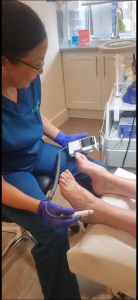
Healthy circulation is essential for maintaining healthy feet and supporting wound healing. Reduced blood flow to the feet can increase the risk of delayed healing, infection and, in some cases, more serious complications if left undetected.
A vascular assessment is recommended for patients with symptoms of poor circulation, those with diabetes, a history of smoking, cardiovascular disease, or anyone experiencing leg pain when walking, slow-healing wounds, cold feet or changes in skin colour.
Doppler examination of foot pulses
At Quantum Footcare, I use Doppler ultrasound to assess blood flow within the arteries of your feet and lower limbs. Where clinically appropriate, I also perform Ankle Brachial Pressure Index (ABPI) and Toe Brachial Pressure Index (TBPI) measurements. Toe pressure testing is particularly valuable for patients with diabetes or calcified arteries, where ankle pressure measurements alone may not provide an accurate assessment.
Your results will be explained clearly during your appointment. If reduced circulation is identified, I can provide a written report and, where appropriate, refer you to your GP or vascular specialist for further investigation.
Early assessment can help identify circulation problems before they become more serious, allowing appropriate management and reducing the risk of future complications.
Biomechanics Assessment
This examination is concerned with better understanding how your whole body, not simply the lower limbs, moves and functions. It is an assessment of body posture, gait, joint ligament and muscle function to identify any abnormalities or imbalances that may contribute to pain, discomfort or reduced physical performance. You may be asked to do certain exercises to assess your balance, strength and flexibility. Therefore, the evaluation may include a combination of physical examinations, functional tests and motion analysis with the use of Phits 3D foot scan.


The data collected from the 3D foot scan is then utilized to identify the most appropriate treatment. Treatment will often involve, but not be restricted to, some use of orthotics, either an off-the-shelf (ready-made) insole or a custom made-to-measure one, which you will be fitted for at the clinic. Orthotics are shown to improve foot function, enhance gait mechanics, and alleviate pain and discomfort associated with various foot conditions, such as flat feet, high arches or abnormal gait.

To learn more about how biomechanics can influence foot function, movement and common foot and lower limb problems, read my guide: Biomechanics: The Key to Better Foot Function.
Custom Orthotics
Custom orthotics are prescription medical devices designed to improve the way your feet function during standing, walking and sporting activities. Unlike off-the-shelf insoles, they are individually designed to match your foot shape, biomechanics and lifestyle, helping to redistribute pressure, improve stability and reduce excessive strain on the muscles, tendons and joints.
At Quantum Footcare, I prescribe Phits® 3D-printed custom orthotics, manufactured using Gait & Motion Technology. Following a comprehensive biomechanical assessment, your feet are digitally scanned and your gait is analysed to create orthotics that are tailored specifically to your needs. Every prescription is customised based on your diagnosis, foot function, footwear and activity level.
Custom orthotics may be recommended for a wide range of conditions, including plantar fasciitis, Achilles tendinopathy, tibialis posterior tendinopathy, metatarsalgia, plantar plate injuries, bunions, flat feet and a variety of other foot and ankle conditions where abnormal foot mechanics are contributing to your symptoms.
Where appropriate, orthotic therapy may be combined with rehabilitation exercises, footwear advice, Shockwave Therapy and MLS® Laser Therapy as part of a personalised treatment plan to help optimise your recovery and improve long-term foot function.
Want to learn more? Read my article, “Biomechanics: The Key to Better Foot Function”, to understand how a biomechanics assessment helps identify the underlying causes of foot pain and guides the prescription of custom orthotics.
Shockwave Therapy
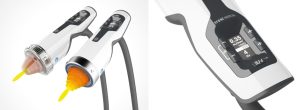
Shockwave Therapy is an evidence-based treatment for chronic heel pain, plantar fasciitis, Achilles tendinopathy, insertional Achilles pain, tibialis posterior tendinopathy, peroneal tendinopathy, plantar plate injuries and other musculoskeletal foot and ankle conditions. At Quantum Footcare, I use both Radial and Focused Storz Medical Shockwave Therapy, allowing treatment to be tailored to the specific condition, tissue involved and stage of recovery. Shockwave therapy stimulates the body’s natural healing response, helping to reduce pain and promote tissue repair without injections or surgery.
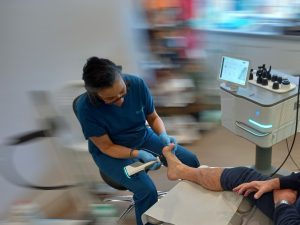
During treatment, controlled acoustic waves are delivered to the affected area to stimulate cellular activity, improve local blood flow and encourage the body’s natural healing processes. Depending on your diagnosis, treatment may involve radial shockwave, focused shockwave or a combination of both technologies to optimise your outcome.
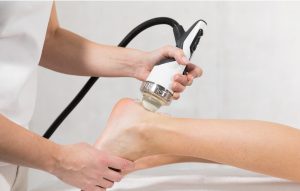
Before recommending shockwave therapy, I will carry out a thorough clinical assessment to determine whether this treatment is appropriate for your condition and to develop an individualised treatment plan.
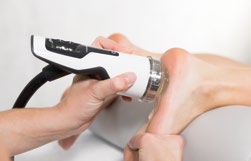
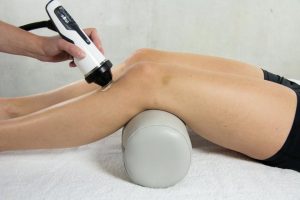
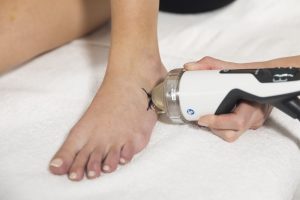
If you have any questions about whether shockwave therapy is suitable for your condition, please do not hesitate to get in touch.
Want to understand more about how shockwave works? Read my guide to Shockwave Therapy: Understanding the Science and Benefits.
MLS® Laser Therapy
MLS® Laser Therapy is a safe, non-invasive and painless therapy for the treatment of pain, inflammation and swelling in joints and tissues.

Please read on for more information about laser therapy and how it could help you to reduce pain and swelling.

Please refer to frequently asked questions section (FAQs).
