Fungal Nail
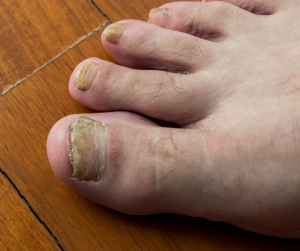
A white, yellow or crumbly toenail is a common sign of a fungal nail infection. Early assessment can help confirm the diagnosis and ensure the most appropriate treatment is recommended.
Fungal nail infections are commonly caused by dermatophytes, although other fungi and yeasts can also affect the nails.
They often develop in warm, moist environments and may cause nail discolouration, thickening, brittleness, crumbling or separation of the nail from the nail bed.
Athlete’s foot frequently occurs alongside fungal nail infections and, if left untreated, may spread to the toenails or other areas of the skin. Treating both conditions is often important to help reduce the risk of reinfection.
At Quantum Footcare, I can perform a fungal nail test to help confirm the diagnosis before treatment is recommended. Once the cause has been identified, I will discuss the most appropriate treatment plan based on the severity of the infection and your individual circumstances.
Treatment may include topical antifungal therapy, such as Tinexyl Pro, advice on reducing the risk of reinfection, regular podiatry care to reduce thickened or damaged nail where appropriate, and, in selected cases, MLS Laser Therapy as part of a structured treatment programme. Where clinically indicated, I may also recommend discussing oral antifungal medication with your GP.
Successful treatment of fungal nail infections often requires patience and a combination of approaches, as healthy nail growth can take many months. Ongoing monitoring and good foot hygiene are important to maximise the chances of a successful outcome.
To learn more about the available treatment options and how to reduce the risk of recurrence, please read my blog: How to Get Rid of a Nail Infection.